Carpets add warmth, comfort, and style to any home or commercial space. However, many homeowners and cleaning professionals encounter a frustrating issue known as carpet browning. This problem often appears after carpet cleaning or when moisture penetrates deep into carpet fibers. Understanding the causes and proper solutions—especially professional browning treatment—can help restore carpets to their original appearance.
In this article, we will explore what carpet browning is, what causes it, and how effective browning treatment methods can resolve the issue.
What Is Carpet Browning?
Carpet browning refers to the appearance of brown or yellowish stains that develop on carpets after cleaning or exposure to moisture. These stains typically show up on light-colored carpets and can make the entire room look dirty even when the carpet has just been cleaned.
The most common type of browning is called cellulosic browning, which occurs in carpets made with natural fibers such as cotton, jute, or other plant-based materials used in carpet backing.
When moisture travels through these fibers, it can draw natural sugars and organic compounds to the carpet surface. As the carpet dries, these compounds oxidize and leave behind brown stains.
Understanding Cellulosic Browning
Cellulosic browning is one of the most misunderstood carpet issues. Many people assume that the stains are caused by dirt or cleaning chemicals, but the real cause lies within the carpet’s natural materials.
Carpet backing often contains jute, a natural plant fiber. When excessive moisture is used during cleaning, the jute absorbs water and releases lignin and other natural substances. As the moisture evaporates, these materials rise through the carpet fibers and oxidize, creating visible brown stains.
This process is particularly common when:
- Carpets are over-wet during cleaning
- Drying times are too long
- High humidity slows evaporation
- Improper cleaning techniques are used
Without proper treatment, the stains can reappear even after multiple cleanings.
Why Professional Browning Treatment Is Important
Many DIY carpet cleaning solutions can actually worsen the problem. Scrubbing the stain or using incorrect cleaning agents may push the discoloration deeper into the carpet fibers.
Professional browning treatment targets the root cause of the discoloration rather than just the surface stain. Specialized cleaning solutions neutralize the natural sugars and tannins responsible for the browning effect.
Professional treatments also control moisture levels and accelerate drying, preventing the problem from returning.
Signs Your Carpet Needs Browning Treatment
Not all carpet stains are the same. Identifying cellulosic browning correctly is essential for effective treatment.
Common signs include:
- Brown or yellow patches appearing after carpet cleaning
- Stains that reappear after drying
- Discoloration concentrated in high-moisture areas
- Light carpets developing uneven brown shading
If these symptoms appear shortly after cleaning, there is a strong chance the issue is cellulosic browning.
How Browning Treatment Works
Effective carpet browning treatment usually involves a multi-step process designed to remove discoloration and stabilize the carpet fibers.
- Neutralizing the Browning Compounds
Professional cleaners use specialized acidic solutions that neutralize alkaline residues and dissolve the organic compounds causing the browning.
- Controlled Moisture Application
Applying the correct amount of moisture is crucial. Excess water can worsen the issue, so professionals use low-moisture techniques to control fiber saturation.
- Fiber Stabilization
The treatment helps stabilize natural fibers, preventing further release of tannins and lignin during drying.
- Accelerated Drying
High-powered air movers or drying systems are used to speed up evaporation and prevent stains from resurfacing.
This process restores the carpet’s original color while minimizing the risk of recurring stains.
Preventing Carpet Browning in the Future
While browning treatment is effective, prevention is always the best approach. Proper carpet cleaning methods significantly reduce the chances of cellulosic browning.
Here are some helpful tips:
- Use Low-Moisture Cleaning Methods
Avoid over-wetting carpets during cleaning. Excess water increases the risk of tannin migration from carpet backing. - Ensure Proper Drying
Good airflow and ventilation help carpets dry quickly, preventing stains from forming. - Hire Professional Carpet Cleaners
Experienced technicians understand the correct cleaning chemistry and moisture levels needed for different carpet materials. - Use Specialized Cleaning Products
Using the right products designed for natural fibers helps prevent discoloration and fiber damage.
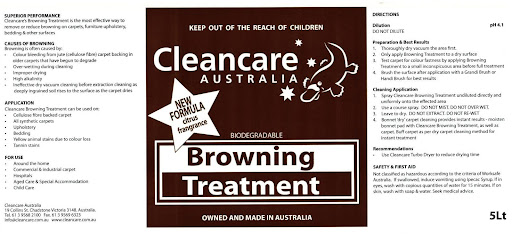
The Role of Professional Carpet Care
Carpet maintenance requires more than occasional vacuuming. Professional cleaning and specialized treatments can extend carpet life, improve appearance, and maintain a healthier indoor environment.
When issues like carpet browning occur, professional solutions provide a safer and more effective approach than DIY fixes. Experts understand fiber composition, moisture control, and stain chemistry, ensuring the correct treatment is applied.
Investing in proper carpet care not only restores the look of your flooring but also protects the long-term value of your carpet.
Final Thoughts
Carpet browning can be frustrating, especially when it appears after a thorough cleaning. However, understanding the causes—particularly cellulosic browning—makes it easier to treat and prevent.
With the right browning treatment methods, it is possible to remove discoloration and restore carpets to their original condition. Whether dealing with minor patches or widespread stains, professional solutions ensure the issue is resolved effectively and safely.
By using proper cleaning techniques, controlling moisture, and addressing stains early, homeowners and businesses can keep their carpets looking fresh, clean, and vibrant for years to come.
